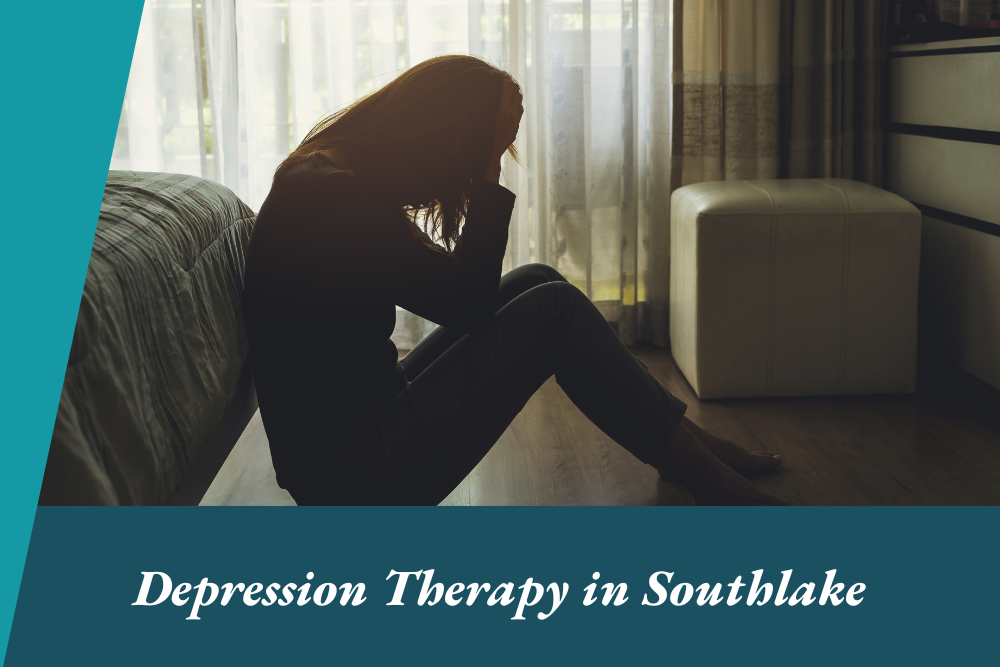
Depression is a common but serious mental health condition that affects millions of people worldwide. It can manifest as persistent feelings of sadness, hopelessness, and a lack of interest or pleasure in activities once enjoyed. If you or someone you know is struggling with depression, seeking professional help is crucial.
We provide compassionate, evidence-based depression therapy in Southlake at Dr. Messina & Associates, helping individuals regain clarity, emotional stability, and hope through personalized counseling and integrated mental health care.
Depression can quietly reshape the way life feels. Days become heavier. Motivation fades. Even small tasks can feel overwhelming. Many people in Southlake live with depression longer than they realize, assuming they should “push through” or that things will eventually improve on their own. But depression is not a weakness or a phase—it’s a treatable mental health condition, and therapy can make a meaningful difference.
Seeking depression therapy is not about being broken. It’s about recognizing that something isn’t working and choosing support that helps you feel like yourself again.
What depression often looks like beyond sadness
Depression doesn’t always show up as constant crying or visible despair. For many, it appears as emotional numbness, irritability, exhaustion, or a loss of interest in things that once mattered. Some people continue functioning at work or home while feeling empty inside, which makes their struggle harder to recognize—both for others and for themselves.
Common experiences include low energy, disrupted sleep, difficulty concentrating, feelings of guilt or worthlessness, and withdrawing from relationships. Over time, depression can affect physical health, work performance, and emotional connection, creating a cycle that feels increasingly difficult to break.
Therapy helps interrupt that cycle by addressing not only symptoms, but the emotional patterns and stressors beneath them.
Recognizing the Signs and Symptoms of Depression
Depression can vary in severity, but common signs and symptoms include:
- Persistent sadness or a depressed mood
- Loss of interest or pleasure in activities
- Changes in appetite and weight (either loss or gain)
- Sleep disturbances (insomnia or excessive sleeping)
- Fatigue or low energy
- Difficulty concentrating, making decisions, or remembering things
- Feelings of worthlessness, guilt, or hopelessness
- Physical symptoms such as headaches or stomachaches without a clear cause
- Thoughts of death or suicide
Understanding these symptoms is the first step towards seeking help. Depression is not a sign of weakness, and it’s essential to recognize that it’s a medical condition that requires treatment.
The Importance of Seeking Help
Depression is a serious mental health condition that affects millions of individuals globally. While it can be debilitating, it’s also treatable with the right support and interventions. Seeking help is crucial for several reasons:
- Preventing the Escalation of Symptoms: One of the primary reasons to seek help for depression is to prevent the escalation of symptoms. Untreated depression can worsen over time, leading to severe emotional and physical health problems. Early intervention can significantly reduce the severity and duration of depressive episodes, preventing the development of chronic conditions and enhancing the chances of a full recovery.
- Improving Quality of Life: Depression affects various aspects of life, including personal relationships, professional performance, and overall quality of life. Individuals with untreated depression may struggle to maintain relationships, perform well at work, and engage in activities they once enjoyed. Seeking help can improve mood, increase energy levels, and restore the ability to enjoy life’s pleasures. This, in turn, enhances overall well-being and life satisfaction.
- Reducing the Risk of Suicide: Depression is a significant risk factor for suicide. Feelings of hopelessness and despair can lead to suicidal thoughts and behaviors. Professional intervention is critical in providing the necessary support and treatment to reduce this risk. Therapists and psychiatrists are trained to identify suicidal ideation and offer appropriate interventions, including safety planning and crisis support, to ensure the individual’s safety.
- Enhancing Relationships: Depression can strain relationships with family, friends, and colleagues. Individuals may withdraw from social interactions, feel irritable, or have difficulty communicating effectively. Seeking help can provide tools and strategies to improve communication, resolve conflicts, and build stronger, healthier relationships. This support network is vital for recovery, offering emotional and practical assistance.
- Addressing Physical Health: Depression is not just a mental health issue; it can also have significant physical health implications. Chronic depression can lead to physical symptoms such as fatigue, headaches, and digestive problems. Additionally, it can contribute to the development of chronic diseases such as heart disease and diabetes. Seeking help for depression can improve physical health outcomes by addressing the underlying mental health condition.
- Preventing Substance Abuse: Some individuals with depression may turn to alcohol or drugs as a way to cope with their symptoms. This can lead to substance abuse and dependency, further complicating the individual’s mental and physical health. Professional treatment can address both depression and any co-occurring substance use disorders, providing a comprehensive approach to recovery.
Professional help provides a structured and evidence-based path to recovery. Therapists and psychiatrists use various therapeutic approaches, such as Cognitive Behavioral Therapy (CBT) and Interpersonal Therapy (IPT), to help individuals understand and manage their depression. These treatments are tailored to each person’s specific needs, ensuring the most effective care possible.
Depression Therapy at Dr. Messina & Associates
At Dr. Messina & Associates, we offer a range of evidence-based therapies tailored to meet the unique needs of each individual. Our approach is holistic, addressing not only the symptoms of depression but also the underlying factors contributing to it.
How depression therapy helps restore emotional balance
Depression therapy provides a structured, supportive space to explore what you’re experiencing without judgment. At Dr. Messina & Associates, our Southlake therapists work collaboratively with you to understand the root of your depression and develop practical tools for change.
Therapy may focus on identifying negative thought patterns, processing unresolved emotional pain, managing stress, and rebuilding daily routines that support emotional health. Evidence-based approaches such as cognitive behavioral therapy (CBT), interpersonal therapy, trauma-informed care, and psychodynamic therapy are tailored to your needs rather than applied as a one-size-fits-all solution.
Over time, many clients notice improved mood stability, increased motivation, clearer thinking, and stronger emotional resilience. Therapy doesn’t erase life’s challenges, but it helps you respond to them with greater strength and self-compassion.
Cognitive Behavioral Therapy (CBT)
Cognitive Behavioral Therapy (CBT) is one of the most effective treatments for depression. CBT focuses on identifying and challenging negative thought patterns and behaviors that contribute to depression. Through CBT, individuals learn to develop healthier thinking patterns and coping strategies. This therapy helps in:
- Identifying negative thought patterns
- Challenging and reframing these thoughts
- Developing problem-solving skills
- Setting realistic goals and gradually working towards them
CBT empowers individuals to take control of their thoughts and actions, leading to lasting changes in their mental health.
Interpersonal Therapy (IPT)
Interpersonal Therapy (IPT) is another effective approach that focuses on improving interpersonal relationships and communication patterns. Depression can often strain relationships, and IPT aims to:
- Improve communication skills
- Resolve conflicts and misunderstandings
- Build a supportive social network
- Enhance relationship satisfaction
By addressing relationship issues, IPT helps individuals develop stronger, healthier connections, which can be a significant source of emotional support.
Medication Management
In some cases, medication may be necessary to manage the symptoms of depression. Our experienced psychiatrists at Dr. Messina & Associates work closely with each patient to determine the most appropriate medication and dosage. We carefully monitor progress and make adjustments as needed to ensure the best possible outcomes. Medication can help alleviate symptoms and provide the stability needed to engage effectively in therapy.
Mindfulness and Relaxation Techniques
Incorporating mindfulness and relaxation techniques into treatment can significantly reduce symptoms of depression. These techniques include:
- Mindfulness meditation: Focusing on the present moment to reduce stress and anxiety
- Deep breathing exercises: Calming the nervous system and promoting relaxation
- Progressive muscle relaxation: Releasing physical tension associated with depression
These practices can help individuals manage their symptoms and improve overall well-being.
Depression therapy for different life stages
Depression can affect people at any age, and its triggers often change across life stages. Young adults may struggle with identity, pressure to succeed, or relationship challenges. Adults often experience depression related to work stress, parenting, grief, or burnout. Older adults may face loneliness, health changes, or loss.
Our Southlake therapists work with teens, adults, and older individuals, adapting therapy to each stage of life. Whether depression feels new or long-standing, therapy helps you understand how your experiences, relationships, and expectations shape your emotional world—and how to create healthier patterns moving forward.
When therapy and medication work together
For some individuals, depression therapy alone is enough. For others, combining therapy with medication can be helpful—especially when symptoms are moderate to severe or have persisted for a long time. At Dr. Messina & Associates, therapy and psychiatric care are offered under one roof, allowing for coordinated, integrated treatment when needed.
This approach reduces confusion, improves communication, and ensures that emotional and medical aspects of depression are addressed together. Medication is never a requirement, and decisions are made collaboratively based on your comfort, values, and goals.
Why choosing local depression therapy in Southlake matters
Working with a local provider offers more than convenience. It allows for consistent care, stronger therapeutic relationships, and access to professionals who understand the community and its unique stressors. Our Southlake office provides a calm, welcoming environment where privacy and respect are always prioritized.
We also offer teletherapy options for flexibility, ensuring support remains accessible even during busy or challenging seasons of life.
When to consider reaching out for help
Many people wait until depression feels unbearable before seeking therapy. But earlier support often leads to faster, more lasting improvement. If low mood, exhaustion, or emotional disconnection has lasted more than a few weeks—or if it’s affecting your relationships, work, or sense of purpose—it may be time to talk with a professional.
You don’t need to have everything figured out. Therapy begins with curiosity, honesty, and the willingness to start.
If you’re looking for depression therapy in Southlake, we’re here
If you’re looking for professional, compassionate depression therapy in Southlake, Dr. Messina & Associates is here to help. Our licensed therapists provide thoughtful, personalized counseling designed to support healing, growth, and emotional stability—at a pace that feels right for you.
Depression does not define who you are, and it does not have to control your future. With the right support, change is possible.
Contact us today to schedule a confidential consultation and take the first step toward feeling more balanced, connected, and hopeful again.