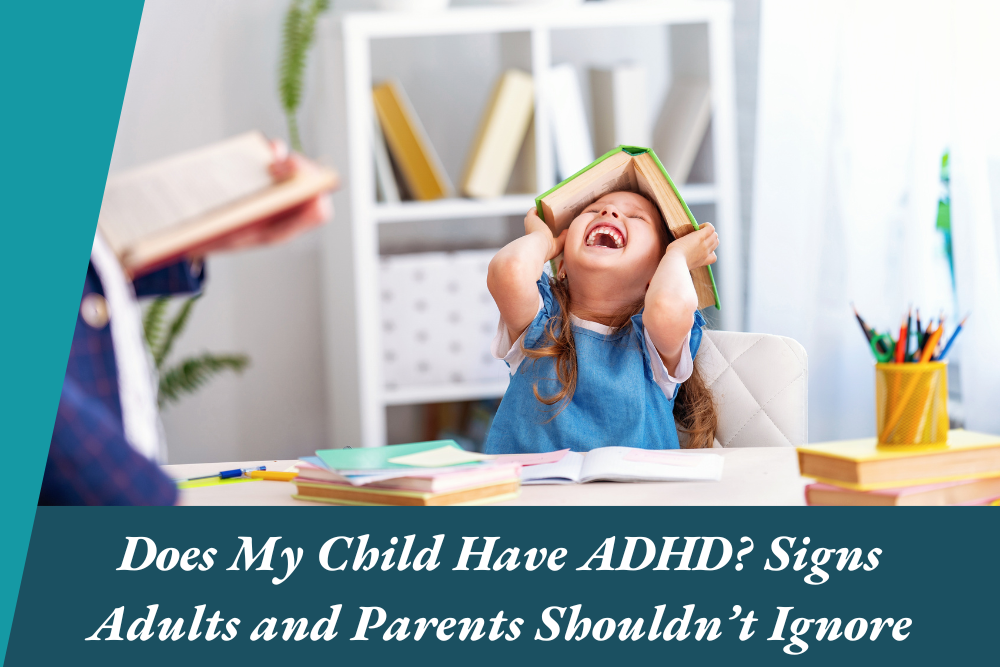
We offer compassionate, thorough psychological evaluation and therapy for ADHD at Dr. Messina & Associates in Southlake and Flower Mound, helping families move from uncertainty to clarity with professional insight and supportive care.
Many parents find themselves asking a quiet but persistent question: Does my child have ADHD? It often starts with small concerns—difficulty focusing on homework, emotional outbursts, constant movement, or struggles at school. Over time, those concerns can grow into confusion, frustration, or self-doubt. Parents may wonder if their child is just energetic, immature, anxious, or “not trying hard enough.” The truth is, ADHD can look very different from child to child, and early signs are often misunderstood or overlooked.
Recognizing the signs early can make a meaningful difference in a child’s emotional well-being, academic experience, and self-esteem.
What ADHD really looks like in children
ADHD is not simply about being distracted or hyper. It’s a neurodevelopmental condition that affects attention, impulse control, emotional regulation, and executive functioning. Some children are visibly active and impulsive, while others appear quiet but struggle internally with focus and mental overload.
Common signs parents may notice include difficulty following instructions, losing items frequently, trouble completing tasks, daydreaming, forgetfulness, or becoming easily overwhelmed. Emotional reactions may feel bigger than expected—intense frustration, tears, or anger over small challenges. These behaviors are not intentional. They reflect how the child’s brain processes information and manages stimulation.
Importantly, not all children with ADHD are hyperactive. Many—especially girls—present with inattentive symptoms that are easier to miss.
Signs teachers and adults often observe
Outside the home, ADHD can show up in ways that affect learning and social development. Teachers may report that a child struggles to stay seated, finishes work too quickly with careless errors, or needs repeated reminders. Some children interrupt frequently or have difficulty waiting their turn. Others appear withdrawn, disorganized, or lost in thought.
Socially, children with ADHD may struggle with peer relationships. Impulsivity or difficulty reading social cues can lead to misunderstandings, rejection, or low confidence over time. These experiences can quietly shape how a child sees themselves.
When adults and parents notice consistent patterns across settings—not just occasional behavior—it’s often a sign worth paying attention to.
ADHD or something else?
One of the most challenging aspects of identifying ADHD is that its symptoms often overlap with anxiety, learning differences, sleep issues, or emotional stress. A child who is anxious may appear distracted. A child who is overwhelmed academically may avoid tasks or act out. This overlap can lead to misinterpretation and delayed support.
That’s why professional evaluation matters. Psychological testing helps determine whether ADHD is present, whether another condition is contributing, or whether multiple factors are interacting. Without this clarity, children may receive support that doesn’t fully address their needs—or internalize negative messages about themselves.
How untreated ADHD affects children emotionally
When ADHD goes unrecognized, children often receive constant feedback that they are “too much,” “lazy,” or “not listening.” Over time, this can erode self-esteem and create feelings of shame or failure. Many children with untreated ADHD develop anxiety or depressive symptoms, not because of the ADHD itself, but because of repeated frustration and misunderstanding.
Early identification allows parents and caregivers to shift from discipline-based responses to support-based strategies—helping children feel understood rather than corrected.
What psychological testing offers families
Psychological testing provides a comprehensive look at how a child’s brain works. It assesses attention, memory, processing speed, executive functioning, emotional regulation, and learning patterns. At Dr. Messina & Associates, testing is conducted thoughtfully and explained clearly so parents understand not just what the results show, but what they mean for daily life.
Testing results can guide school accommodations, therapy goals, parenting strategies, and decisions about additional support. For many families, testing brings relief—replacing guesswork with confidence and direction.
What to do if you’re unsure
You don’t need to be certain to seek help. If you’ve been asking yourself whether your child’s struggles are more than a phase, that curiosity is worth honoring. Early evaluation does not label a child—it helps adults respond more effectively and compassionately.
Trusting your instincts as a parent is important. You know your child best, and noticing patterns is often the first step toward meaningful support.
If you’re looking for answers, we’re here to help
If you’re looking for professional guidance around ADHD concerns, Dr. Messina & Associates offers psychological testing and therapy in Southlake designed to support children and families with care and clarity. Our team works collaboratively to ensure results lead to practical recommendations and ongoing support when needed.
You don’t have to navigate these questions alone. With the right information and support, children with ADHD can thrive—academically, emotionally, and socially. Reach out today to schedule a consultation and take the next step toward understanding and support for your child.