
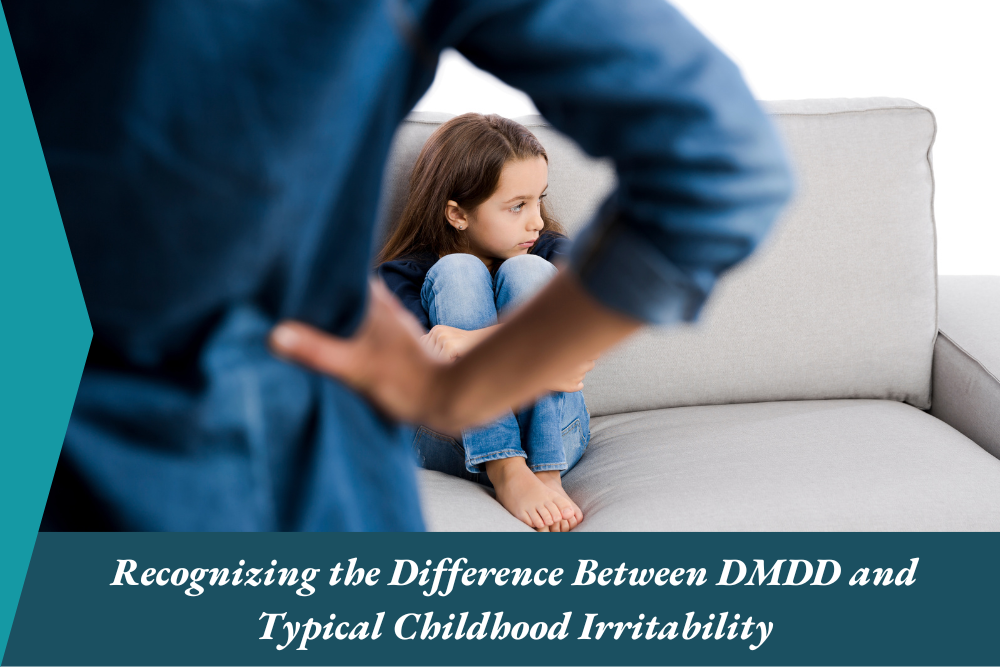
Every parent knows what it’s like to deal with a cranky, frustrated, or moody child. From skipped naps to sibling squabbles, irritability is a normal part of childhood. But when anger feels constant—when every day brings explosive outbursts or emotional storms—it may be something more than “just a phase.”
Understanding the difference between Disruptive Mood Dysregulation Disorder (DMDD) and typical irritability can help parents know when it’s time to seek professional support and how therapy can bring stability back to family life.
What Is Typical Childhood Irritability?
Irritability is a natural response to frustration, disappointment, or fatigue. All children experience moments when emotions boil over. They might cry, yell, or slam doors—but these reactions usually pass quickly and occur in response to clear triggers.
In healthy emotional development, children gradually learn to self-soothe, apologize, and move forward. Even strong-willed kids typically return to their baseline mood within minutes or hours. Their irritability doesn’t dominate family life or interfere with school, friendships, or daily routines.
Typical irritability follows a predictable pattern:
- Outbursts happen occasionally, not constantly.
- The child’s mood between episodes is generally cheerful or calm.
- Reactions match the situation’s intensity (for example, crying over a broken toy, not screaming for hours).
When irritability becomes extreme, frequent, or unmanageable, it may signal something deeper—such as DMDD.
What Is Disruptive Mood Dysregulation Disorder (DMDD)?
DMDD is a childhood mood disorder characterized by severe, recurrent temper outbursts and a persistently angry or irritable mood between those outbursts. It goes beyond typical frustration and impacts nearly every aspect of a child’s life.
A child with DMDD may:
- Have intense verbal or physical outbursts three or more times per week.
- Stay angry or irritable most of the day, nearly every day, even between episodes.
- React to minor events with extreme anger.
- Struggle to function at home, in school, or with peers.
To meet diagnostic criteria, symptoms must last at least 12 months, appear in two or more settings, and begin before age 10.
DMDD isn’t simply bad behavior or poor discipline—it’s an emotional regulation disorder affecting how a child’s brain manages frustration and stress.
Key Differences Between DMDD and Normal Irritability
Recognizing what sets DMDD apart can help parents decide whether it’s time to talk with a professional.
| Typical Irritability | DMDD |
|---|---|
| Outbursts are occasional and situation-specific. | Outbursts occur frequently and unpredictably. |
| Mood returns to normal between conflicts. | Mood remains angry or irritable most of the time. |
| Emotions are intense but short-lived. | Emotions are extreme and long-lasting. |
| Behavior improves with rest, reassurance, or limits. | Behavior persists despite consistent parenting strategies. |
| Minimal impact on daily functioning. | Significant impairment in home, school, and social life. |
When anger dominates the household or your child seems constantly on edge, these differences become unmistakable.
Why DMDD Happens
There isn’t one single cause of DMDD. Research suggests it develops from a combination of biological, emotional, and environmental factors, including:
- Differences in brain regions that regulate mood and impulse control
- Family stress, trauma, or inconsistent discipline
- Co-occurring conditions such as anxiety, ADHD, or depression
Children with DMDD often experience emotions more intensely than others. Their brains react to frustration as if facing danger, triggering fight-or-flight responses that feel impossible to control. Without support, this cycle of anger and guilt can erode confidence and strain family relationships.
How Counseling Helps Children with DMDD
The encouraging news is that DMDD is treatable. With compassionate therapy and structured guidance, children can learn to understand their emotions, regulate reactions, and rebuild healthy family dynamics.
At Dr. Messina & Associates, our therapists work closely with children and parents using evidence-based methods designed to improve emotional balance and family communication.
1. Cognitive Behavioral Therapy (CBT)
CBT helps children identify the thoughts that fuel anger and replace them with healthier responses. They learn to pause before reacting, use calming skills, and interpret frustrating situations differently.
2. Parent Coaching and Family Therapy
Parents receive tools to manage outbursts effectively and consistently—without escalating conflict. Family therapy strengthens communication, fosters empathy, and restores peace at home.
3. Emotional Regulation Skills
Through age-appropriate exercises, children practice mindfulness, breathing, and problem-solving strategies that help them regain control when emotions surge.
4. Collaboration with Psychiatry
In some cases, medication may support emotional stability when combined with therapy. Our integrated team ensures treatment is personalized and closely monitored.
When to Seek Professional Support
You don’t need to wait for things to reach a breaking point. Consider scheduling an evaluation if:
- Your child’s anger occurs daily and lasts for months.
- Their mood remains irritable even when nothing seems wrong.
- Home and school life revolve around avoiding triggers.
- Discipline strategies no longer seem to work.
Early intervention helps children gain skills before patterns become entrenched, improving relationships and self-esteem for the entire family.
Restoring Calm and Connection
DMDD can make family life feel chaotic—but with the right care, stability and peace are within reach. Therapy helps children replace explosive reactions with emotional understanding and gives parents renewed confidence in their ability to guide and support.
At Dr. Messina & Associates, we provide therapy and psychiatric care for children, teens, and families in Southlake and Flower Mound. Our goal is to help families move from conflict to connection, one session at a time.
If your child’s anger seems constant or overwhelming, you’re not alone—and there is help.
Reach out today to schedule a consultation and learn how professional counseling can help your child—and your family—find calm, cooperation, and lasting emotional balance.
